Rae Rose

disability, creativity

  • ::This is a guest post written by Rebekah Taussig. It’s so romantic and lovely! After you read it check out her blog and instagram @sitting_pretty::

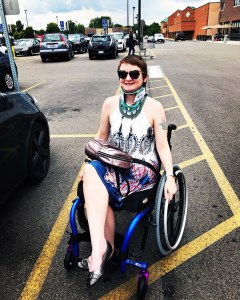
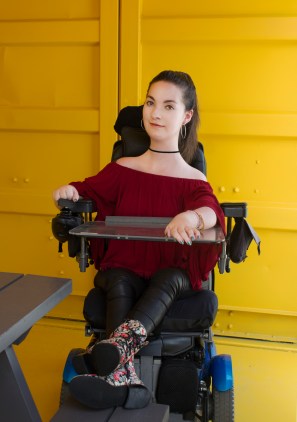
    After Micah’s accident a few months ago, he picked out a cane with blue flower print and a glow-in-the-dark handle. (Who knew Walgreens had it in ‘em?) When he was first linked to a mobility aid I felt self-conscious going out in public. I’m used to people staring at me (my wheelchair) in public. I’m growing to love my strange body, to be #seenwithoutshame. But doubling-up on the mobility aids? Pairing the paralyzed legs with the slow limp? Would all of that shame in difference, in inconveniencing, in deviating from the “ideal” tumble back on me? Would we feel like a spectacle? An unsightly pair of helpless wrecks?

    IMG_6209.JPG

    What really happened surprised me.
    I loved it.
    We had a cripple aesthetic. We were a rebel brand. A couple of #babeswithmobilityaids, disruptive rioters through the simple act of existing together in public. It felt good. And right. And a glimpse at a possible future: a world where wheelchairs and canes and service animals and scooters and walkers and crutches doesn’t signify sadness or inspiration or pity or fear, but fits into our fashion like glasses or coats or big floppy sun hats. Where they’re made with style in mind — with patterns and colors, class and flair. Objects that signify taste and personality. I see it, I feel it, and I insist on believing #thefutureisaccessible.
    Let’s make it happen.


  • ::I’m honored to publish this guest post by Mahala Howard. It needs no introduction.:: 

    I have a genetic connective tissue disorder called Ehlers Danlos Syndrome. I’ve had some symptoms of this condition my whole life. In my youth, my symptoms were brushed off as being normal by my family and doctors. I was such a shy person, that I never pressed it further and lived under the assumption that I was just weaker than everyone else, and I needed to try harder. So I pushed on. I learned to work through the symptoms. And if they did stop me in my tracks, I hid that from others and took to solitude. Still, I was able to manage and did very well in high school and college with 4.0 GPAs.

    At age 20, I took up a new hobby: I started skateboarding. When my ankles ached, I iced them. When the pain got worse, I braced them. When I was limping at work, I laughed it off and told everyone I just need to build up the strength, and I continued to skate. Until one summer day, I had an accident. Going down a rather steep hill, I hit a tree branch on the path and flew off my board head first into the air, hitting the front of my head, and back of my head on the pavement before my body skidded down the hill to a stop.

    This left me with a fractured skull, a few subdural hematomas, a severe concussion, and left me to awake from my unconscious state to a whole new world of symptoms; throwing my body into a downward spiral. Two years later, several diagnosis, doctors, medications, treatments, a second TBI, and even a life-saving neurosurgery, and I’m not really any better overall than I was when I woke up more than two years ago.

    Going from a 4.0 Junior in college double majoring in accounting and finance with a great internship, to waking up with often severe physical, mental, and cognitive symptoms, does tend to turn a gals world upside down. But the hardest aspect of becoming disabled at 20 years old, is not the symptoms themselves — although don’t get me wrong, dealing with all that is challenging enough. Still, the hardest part of disability for me, is dealing with other human beings, in addition to societal stigmas and expectations.

    When I first had my Traumatic Brain Injury in 2016, everyone’s questions revolved around when I would be better, if I’m better yet, why I’m not better yet, when I’m returning to work or school, etc. Meanwhile I had days where I couldn’t even walk without running into the walls from such intense vertigo and room spinning. I would repeat entire hour long conversations to my mother just an hour or so later. I couldn’t keep up with the day, time, or schedule. I was sleeping 16 hour days. And people just didn’t understand why.

    That lack of understanding has continued, diagnosis after diagnosis, explanation after explanation. It became obvious people didn’t really want to know how I was doing, they wanted me to say something positive so they could feel happier about it, and just get on with their day.

    Illness creates such a big disconnect, especially illnesses that most people haven’t heard of. When you’re 20 in a competitive field, people have an even harder time understanding illness and disability. But really the age doesn’t matter. There are doctors that don’t understand your symptoms and situation. The general public, regardless of age, has the hardest time wrapping their heads around chronic illness.

    No matter how much you explain, no matter how much you share, people are often not capable of understanding.

    I woke up to a world that’s still very inaccessible. A world where my life is up for debate, the programs I survive on are threatened to be cut, SSDI/SSI is such a challenging demeaning process, pain medication is being taken away, health care is so unaffordable, my fellow patients are being treated badly for illnesses out of their control. My fellow patients are dying, and there’s little help in managing it all.

    We get judged for not trying hard enough, doing enough, and are categorized as lazy. Or on the flip side, we are judged for our good days and told we are not disabled enough; Not disabled enough to park in a handicap space, for certain accommodations, for certain treatments or medical equipment, for staying home and not being in the work force. The list really goes on.

    I grew up understanding that people will always judge you, but becoming disabled turns that judgement up several notches. Things are taken to a whole new level. Coping with memory loss, aphasia, problems focusing, fainting, vomiting, severe pain, brain fog, hearing loss, sensory loss, overstimulation, mental health issues, intense headaches, subluxations, and a head that doesn’t want to stay attached is hard enough. (I can happily say my skull is securely attached now.) Having your life flipped upside down and all your dreams presently out of reach is hard enough, but dealing with a society who doesn’t think your life, healthcare, and basic living needs are important, dealing with people who do not understand your illnesses and do not bother trying, being disbelieved, doubted, treated like your less than, is a whole separate can of worms.

    Becoming sick and disabled is an extremely difficult adjustment that societal expectations makes a thousand times harder.

    It doesn’t have to be this way. Abled- bodied individuals can help by being willing to learn, and at the very least, to listen. By researching the person’s conditions or asking appropriate questions, by taking the needs of people with disabilities into account when voting on an important issues, by making events that you’re a part of more accessible, by making restaurants, stores and other public places more accessible. And by validating and working to understand that person’s needs and their reality, even if it isn’t butterflies and rainbows for you.

    The hardest part about becoming disabled at age 20, and probably becoming disabled in general, is the lack of support, understanding, inclusivity, and accessibility from everyone else.

    MahalaNewNormal

  • My brother bought me a little pot with several cacti plants in it and said he wished he could bring cacti into his classroom but — hello, students and sharp objects, what could go wrong?

    So I made a pot of cacti that opens up so it adds a bit of storage to his classroom. I used one of our many powder formula cans.

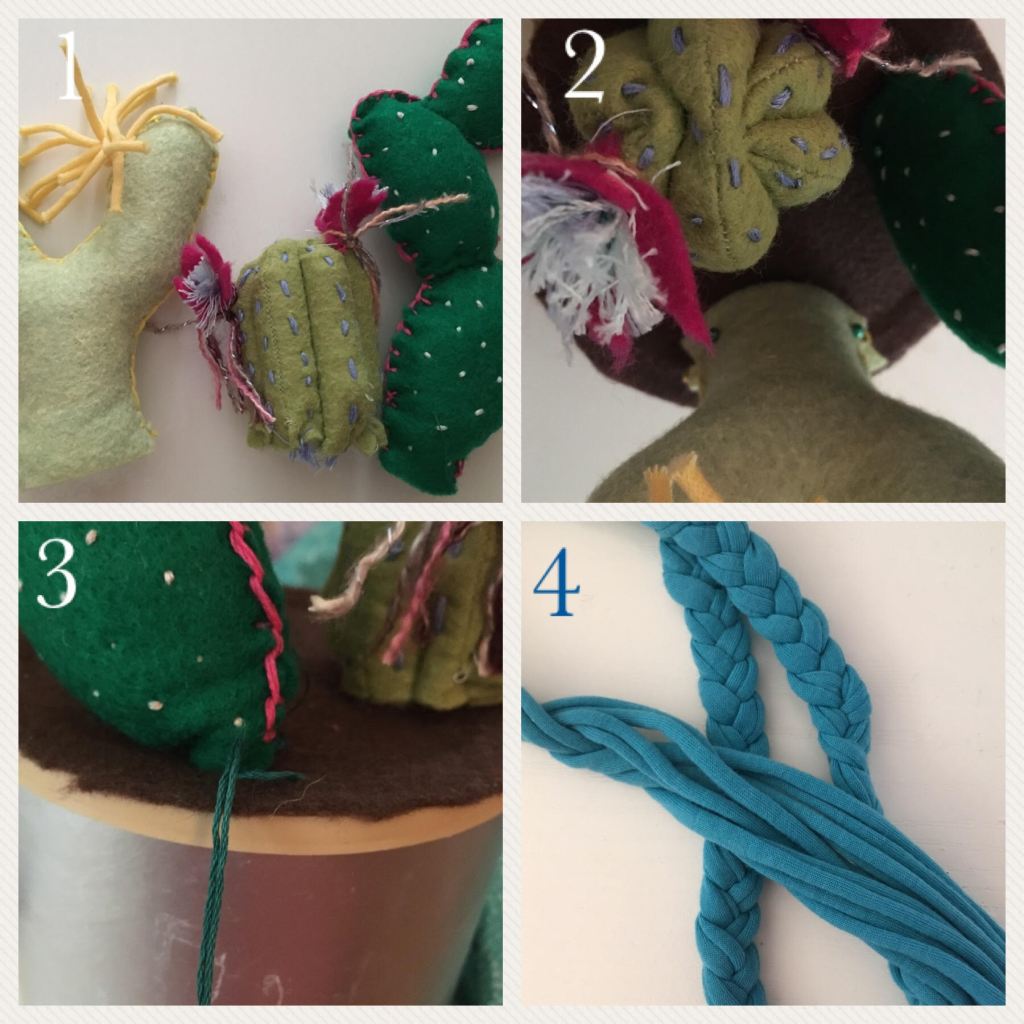
    I sprayed adhesive on the lid and added a circle of brown felt to the top of the can. 1. I chose three kinds of cacti. There are so many felt cacti DIYs on the internet but my favorite thing to is add a blanket stitch around the cacti. I just think it’s so adorable and it reminds me of my Aunt Diane, who loves a good blanket stitch! I didn’t follow any particular DIY because I make them so often, but it was important to me to have three very different shades of green and flowers that were not just made of felt but also embroidery thread to add some texture. 2. I pinned the cacti in place. 3. Using embroidery thread and embroidery needle, I sewed the cacti directly onto the lid. Yep, right through the plastic. I used Tshirt yarn to sew a braid, then tied the ends together. I used a glue gun to glue it to the lip of the lid.

    FeltCacti

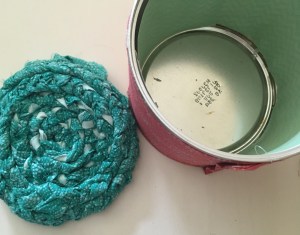
    I used paper for the inside of the pot and made a small, braided rug to line the bottom. I used a spray adhesive to add this fabulous pink fabric to the outside of the pot.

    RaeRoseCacti (1)

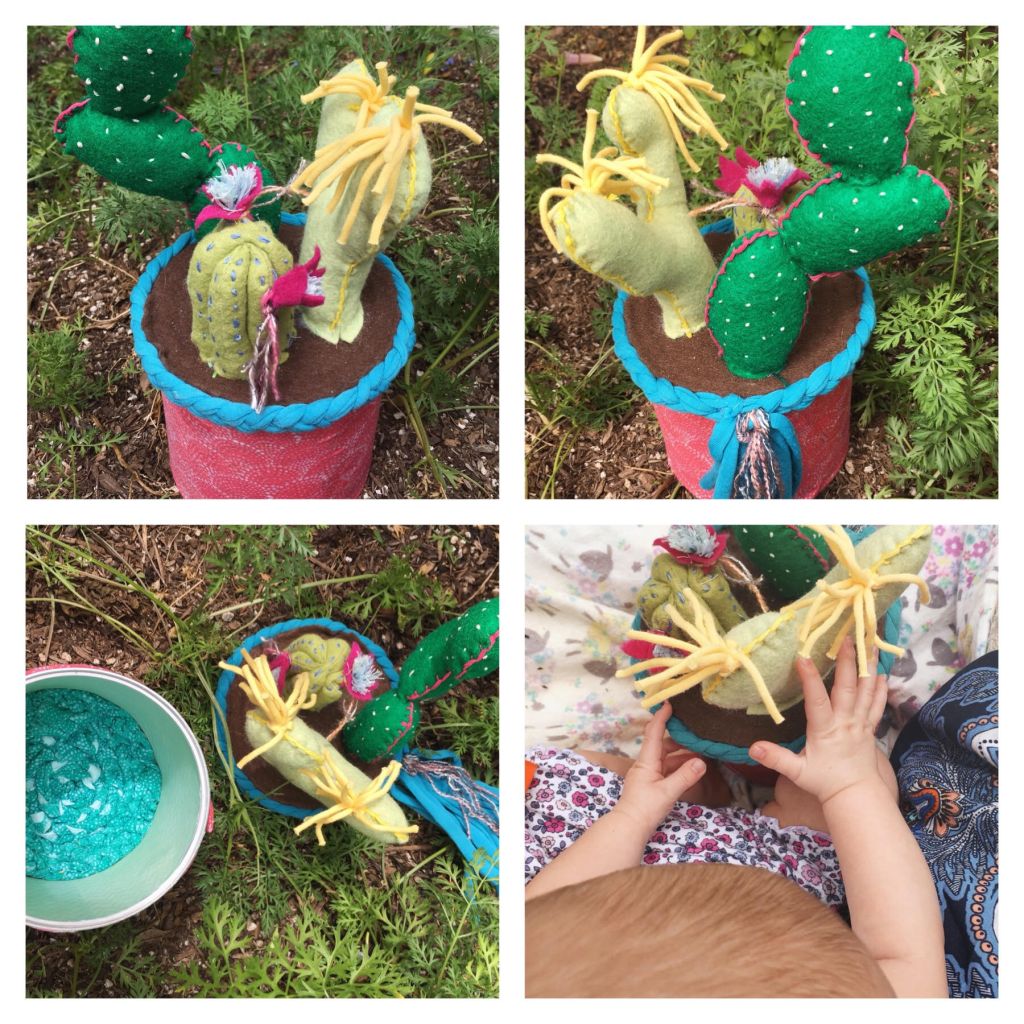
    And here’s how it looks all together!

    FeltCactiDIY

    Elro seemed to dig it, so maybe I’ll make her one, too. Hope you like it, Uncle Danny!

  • ::This is a guest post written by Abigail who posts on Instagram as @babydollabi. I’m a bit obsessed with this creature. She calls herself “Chronically Cute,” and omg she totally is. From her gorgeous color schemes, cozy photos and cheeky emojis she is freaking adorable. And STRONG. Check out this feature and then follow her @babydollabi EEEE! She’s so cute!.::

    My names Abigail and my instagram name is babydollabi ☺

    I was officially diagnosed in 2017 with endometriosis. Due to endo I’ve also developed GERD, exercise asthma and I think I have cfs — I have the symptoms, but none of my doctors will diagnose it. 🤔

    unnamed-5.jpg I was glad because I finally had answers for some of my symptoms but I was also sad there  is no cure. 🤔 Now I’m annoyed. I found out in July my endometriosis was severe. It had moved my bowel to the left. I think maybe the combined pill that they put me on makes me worse. So now I have my third operation in 2 years next month. 😱
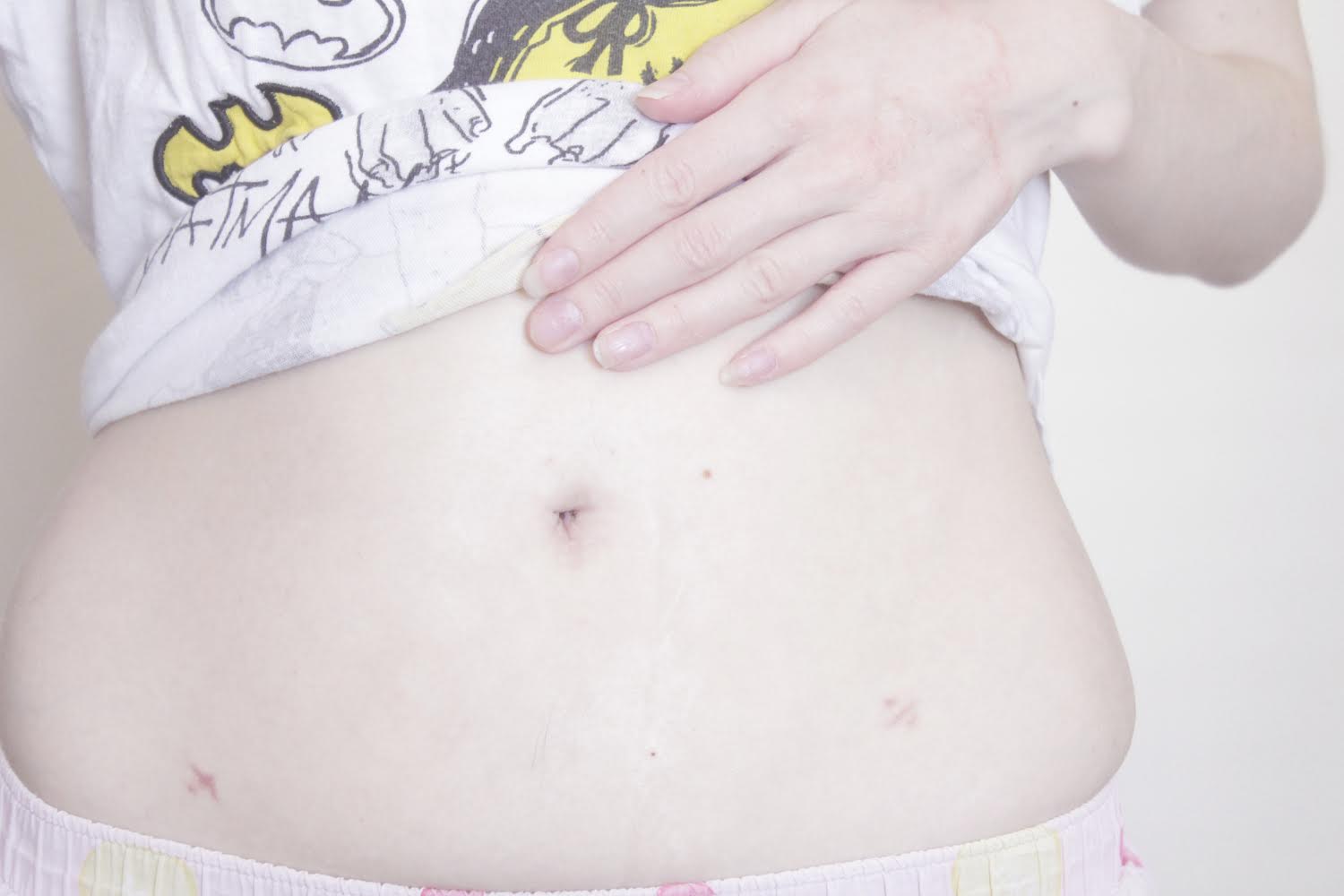
    unnamed-9.jpgAlso, I was told millions of times that my endo can’t cause weight loss and nausea which it has been doing so it annoys me the specialist keep denying it. 😂
    unnamed-7.jpgMy favourite self care activities are baths, eating desserts, yoga and actually resting. ☺ My family and boyfriend are the best support most of the time. 😉 My family always takes me to doctors appointments and my boyfriend brings me stuff when I’m passed out from nausea waves ☺
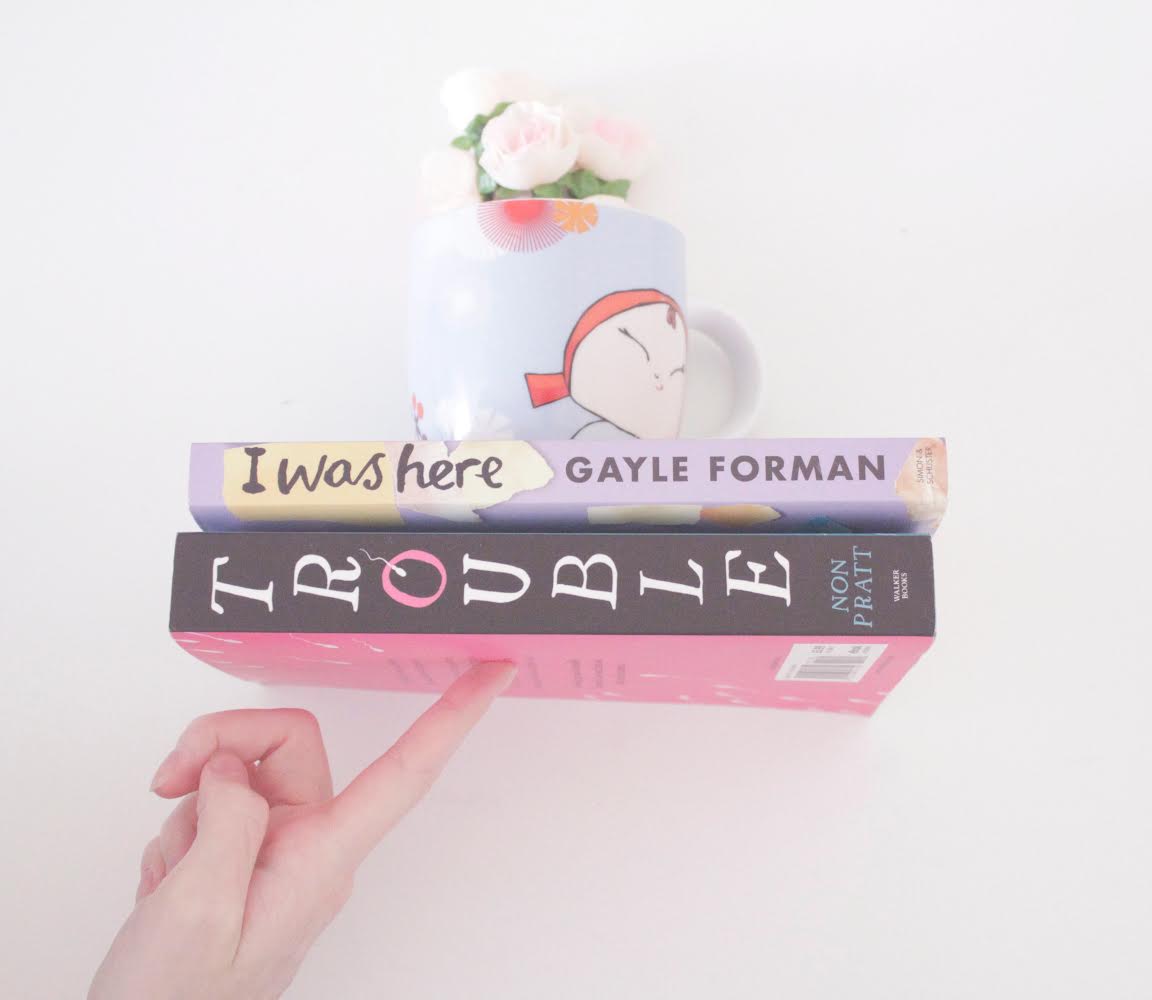
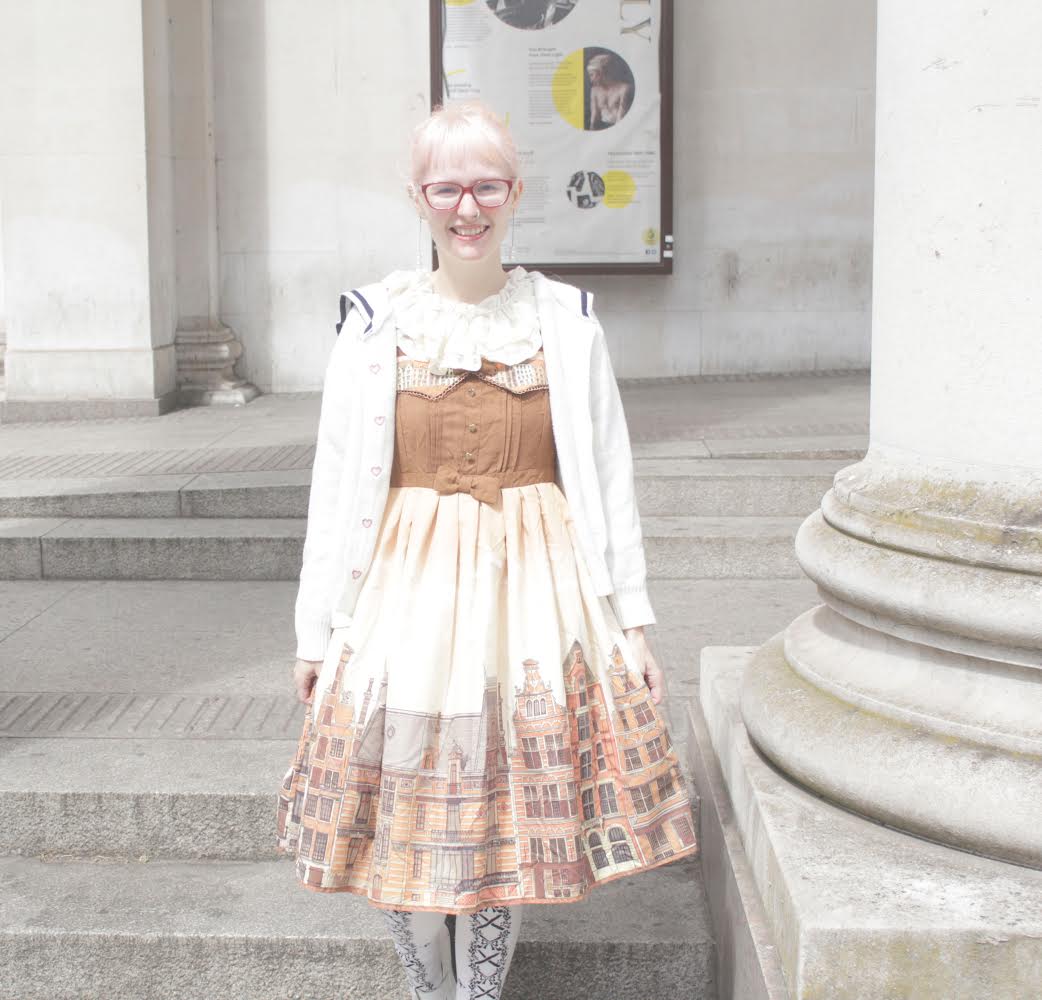
    unnamed-8.jpg I cannot live without TV, books, films, baking and desserts. 😂 My favourite colours to use are pink, blue and orange/brown ☺ I like to post outfit posts and baking posts. ☺ feel best when I’m with my family or eating tasty food or shopping or baking. ☺ unnamed-6.jpg
  • I’ve survived a stroke and brain surgery. I relearned how to walk and swallow correctly. Pregnancy with symphysis pubis dysfunction (SPD) was worse.

    Early in my pregnancy, when my daughter was as big as a sweet pea, I searched for nursery reveals. Everything in a typical nursery reveal looks so gorgeous. Pristine. Perfect. The mother looks ready. She has thought of every detail.

    I stopped working (and thinking clearly about anything) at about 17 weeks pregnant, as my SPD started to wear me out. Soon it hurt to open a jar of peanut butter or walk to the bathroom. There were no cute motifs going through my head that made any sense. The pain was unreal. It was a constant, unrelenting pain that you can’t take drugs for.

    Well, you can sort of take drugs for it. You can take tylenol — which does nothing. I was on 20 mg of oxycodone to stay out of the hospital the last month of my pregnancy, but the drugs didn’t really work. 20 mg of oxycodone was enough for me to be able to sleep for a few hours and get to the bathroom. I was always in pain. I told my husband it felt like I was being tortured. I would wake up screaming. I cried throughout the day. So, nope, didn’t have a color scheme.

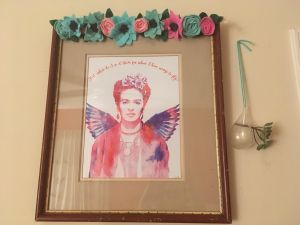
    I did make things for the nursery, however. To deal with the pain, emotionally, I taught myself how to sew and make felt flowers. My mother-in-law bought me a sewing machine. A couple weeks after the baby was born my brother (Uncle Jonathan) and his girlfriend (Auntie Debbi) came over and put up all the things I had made for Elro. So, this doesn’t look like those nursery reveals I scrolled through months ago. It’s a lot of color. I suppose if it has any kind of “theme” it would be Frida Kahlo’s awesome spirit. She was my inspiration during those painful days and I have a giant watercolor of Frida on the wall, along with giraffes and cows wearing flower crowns.

    FridaKahlonursery

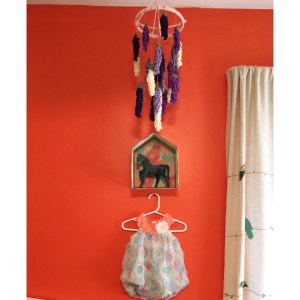
    It makes me so happy that Elro loves looking at the things I made her. This bunch of lavender, for example, is above her changing table, and she digs it!

    ACS-0101

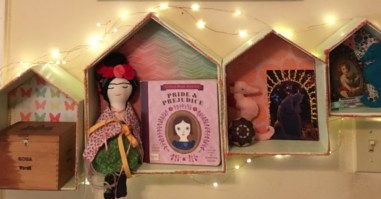
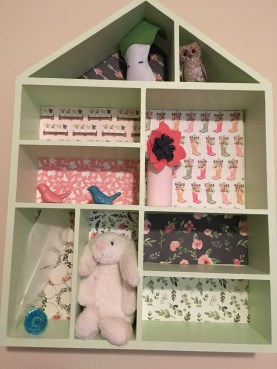
    I’m obsessed with tiny houses. This is just halfway homemade! I bought them unfinished, then added paint and paper and a string of lights.

    IMG-2878 IMG-1207

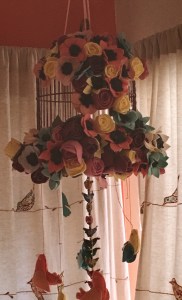
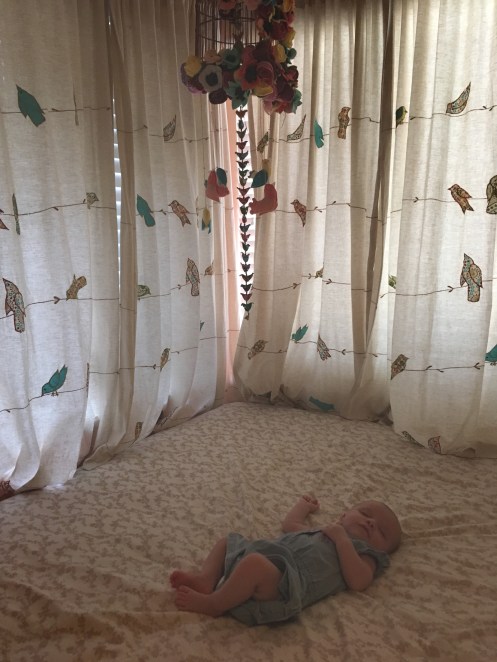
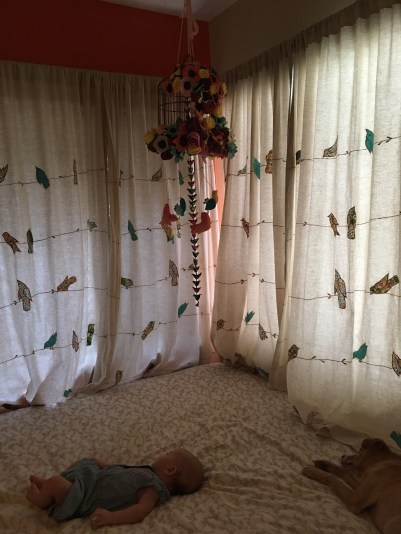
    ACS-0043I remember being in so much pain while making these felt flowers and using wire and glue to adhere them to this bird cage. It makes everything feel full circle when I see Elro watching the felt birds move in a breeze. I was on a 10 out of 10 of pain that day I made the birds and ended up being treated in the hospital for early contractions because of the pain. What a nightmare. And the pain comes back, but not nearly as bad, every month before my period. But she was worth it.
     

    birdnursery

    Part of my deal with bipolar disorder is, I can’t sleep without medication. So my darling husband has spent every night with Elro. When he went away on business, my best friend stayed in this room. So we knew we wanted a bed in the nursery — might as well make it kind of gorgeous, right? It’s a queen bed and very comfortable.

    My dog, Sunny, shares this space with her during the day. IMG-1198

    It’s not the perfect nursery reveal I was dreaming of when I first got pregnant — but it’s perfectly us, and I love that.

  • ::This is a guest post by Glorianne Rivera-Casanova, which was originally published on her FABULOUS blog, Just Press Mode. I fell in love with it.::

    Let me paint you a picture: It’s Friday night and you’re dragging your friends to a bar because you know you’ve been working too hard on your midterms, and a little free time might do you some good. As the bar gets louder and louder you count your friends’ drinks because that’s all you can do at this point. No one can hear you. This is when you notice someone noticing you, and damn he’s cute. Your eyes meet from across the bar, and you throw him your flirty smirk as you turn away. You try to keep your shit together even though you are 98% sure he is going to talk to you (what can I say, you’re a confident woman). He’s totally checking you out. Finally, he’s walking your way, and then as your turn towards him, he just keeps walking. He walks right out the door without even throwing you a glance.

    I know you wanted this story to end differently, but this time it didn’t. It’s fine though because I’m used to it. See, based on my experience I don’t know when people flirt, because flirting gets diluted in the puddle of bullshit that people say to me on a daily basis. Flirting hides behind the pity that strangers have towards me. Flirting is shackled by the sheer curiosity that lives within society when it comes to women with physical disabilities. In other words, a guy at a cafe asking too many questions about me is usually just that. Yet another dumb fuck.

    IMG_5917.jpgI know what you’re thinking: “you should initiate, flirt first, get it girl”, all that shit. Well, that’s easier said than done. Why? Because they probably don’t see me that way (if you have any doubts check out my sexuality post). Thus, all of the cheeky things I say are going to fly right over him. This is why women with physical disabilities tend to be more direct when flirting. Trust me, it works. I’m not advising you to be vulgar just you know, say what’s on your mind. Don’t get me wrong I’m no expert, at all, but I’ve recently figured out that if it’s not going to work out it’s best to know as soon as possible. I have the tendency to be coy sometimes as a defense mechanism for grey areas within a conversation, but that usually comes around and bites me in the ass.  Therefore, even though the coy game is very tantalizing and you have convinced yourself that this is the reason for which you play it. I would advise you, Maggie (testing out a name for the 16-year-old girl), that you should accept the fact that you fear rejection because it’s only human. The faster you do this, the faster you’ll realize that in truth there is nothing more traumatizing than fourteen stitches on an open back wound with no form of anesthetic. In other words, “I only see you as a friend” is a paper cut in comparison to what you’ve been through. So, don’t be afraid to draw on that paper, and leave your mark. Make him, or her, remember you as the girl who wasn’t afraid to speak her mind.profilepic
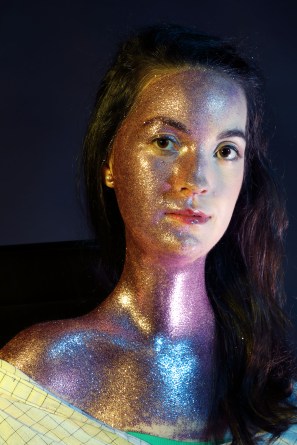
    Glorianne Rivera-Casanova, or Glow, is self-marketing herself as a woman in a wheelchair with SMA Type 2 who has a life, opinion, and story like any other human being. In her blog she speaks for the minority who are disabled, and whose voices aren’t usually heard. With humor and wit, she speaks out against the norms of the societal view of someone in a wheelchair, and attacks where the truth hurts to open the reader’s eyes to an unfamiliar world or to pull another disabled person out of their isolation.

    Beyond her life on wheels, she is a senior in Savannah College of Art and Design majoring in Fashion Marketing with a minor in Costume Design. Her skills include pencil sketches and watercolors of her designs, and editing them into Photoshop for a beautiful project that combines traditional and digital art. When sketching ideas for characters of a story, Glow incorporates their personality, interests, and even some foreshadowing into their outfits, because fashion is more than just fabric over one’s skin; in her eyes, it is an extension of one’s self.


  • This week, when PMDD disrupted my mood, SPD came back from pregnancy’s hell so every step made my pelvic bone feel like I was part wishbone and my husband found me on the floor in the middle of the night from what we now know is an ovarian cyst — my online therapist listened to me cry as I bottle fed my baby.

    disability

    I told her I hated my body. It sucked at doing what it was supposed to do.

    I told her my marriage was falling apart. (It totally isn’t.)

    I told her that I’m a failure for not being able to work a typical job.

    I told her that my baby was going to hate me in 15 years because of all my disabilities.

    My therapist said something like, “Don’t you have a blog about disabilities? Aren’t you an advocate for people with disabilities? You’re putting someone with disabilities — because that’s what you have, not moral failings — through hell.”

    Holy $%*#.

    selfhate

    How am I hearting everyone’s stories on Instagram, publishing work I believe in and telling people to take care of themselves — while I’m absolutely trashing myself? Why do I find my fellow disabled peeps “disBABEled” and I haaaaaate myself?

    My daughter will probably hate me in 15 years, but that’s because she’ll be 15 years and 4 months old.

    So yes, motherhood involves some oxycodone right now and we’re spending most days in bed. But as June Jordan writes in her brilliant “Poem About My Rights” —

    “I am not wrong: Wrong is not my name
    My name is my own my own my own”

    Every year I think, “I should probably stop hating myself.” Every year I forget to even try. My baby is going to be able to understand what I’m saying before I know it. If I don’t stop hating myself, I will teach her all my self hate — and I refuse to do that.

    The first step? Admitting I have a problem. Here I am,  publicly calling myself out for not being a friend to disabled folks because I truly hate one of them for being disabled.

    The next step? I don’t really know. I am open to suggestions!

    I know that it involves creating things, it involves introspection and forgiveness and I need to work at it fiercely. As fiercely as the way that June Jordan poem ends:

    “and I can’t tell you who the hell set things up like this
    but I can tell you that from now on my resistance
    my simple and daily and nightly self-determination
    may very well cost you your life”


    pmdd

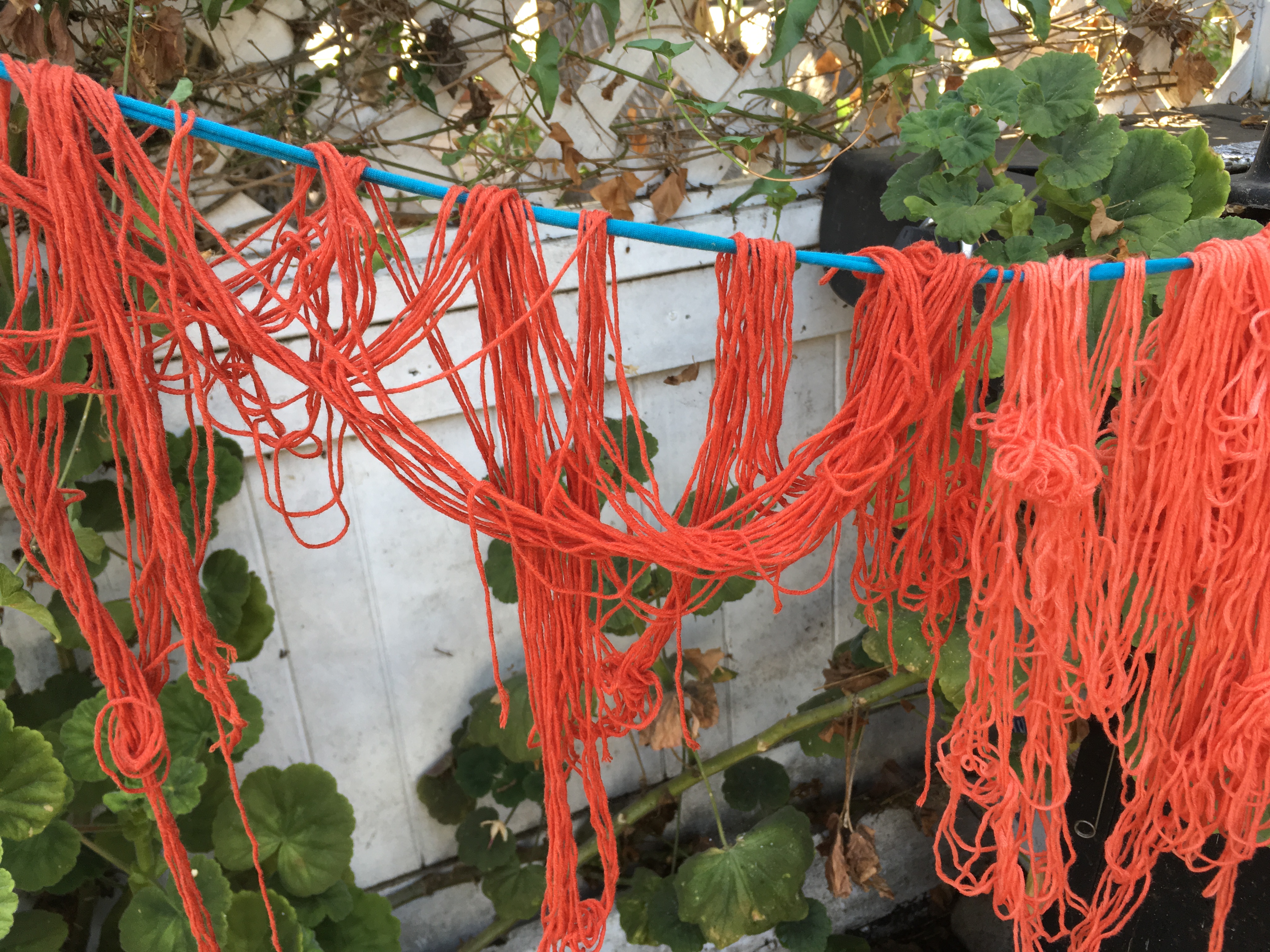
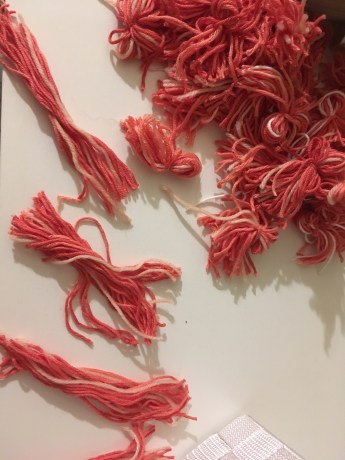
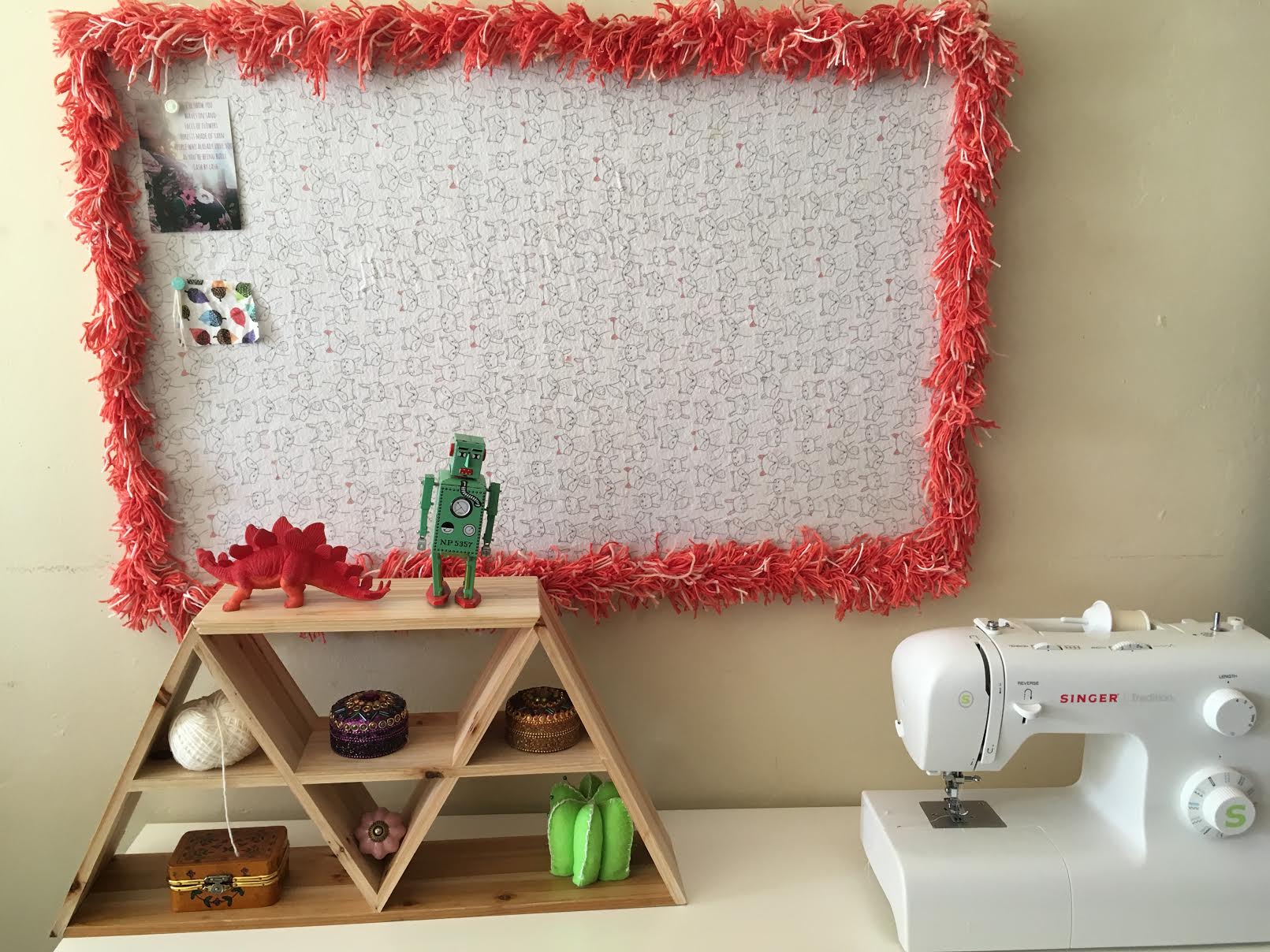
  • This project is not for a shy minimalist. This is for a muppet who wants to get organized. I’ve always believed that I was the kind of person who was not able to be clean and organized, and I’m trying to challenge that belief. To get started I wanted a project that was bright, silly, fun — and useful. Tassels are a girls best friend and I made about 116 of them in different shades of coral using white yarn and Rit Dye in coral. Following the instructions on the back I made a group of  light coral strands, medium strands and deep coral strands. You can obviously use any kind of yarn, I just had never dyed yarn before and wanted to try it out. It’s awesome and easy.

    bohoyarn.JPG

    To make the tassels I wrapped yarn around four fingers five times, then cut. Then I folded it in half, took another small piece of yarn and tied it — making it a tassel.

    bohocrafts.JPG

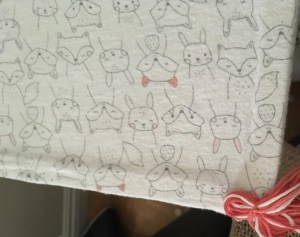
    I used one of my daughter’s swaddling cloths as fabric to cover the board. I sprayed adhesive on it, wrapped it around the entire board, covering the frame it came with. You do have some time to make sure there aren’t any creases but I recommend ironing it before you place it on your board.

    Think of the tassel in two parts — a lady’s head and a lady’s dress. (I looked on the internet for another way to put this, but it is officially called a “head” and a “skirt,” so there ya go.)

    bohocrafty

    I put glue on the back of the lady A’s head and put it down where the frame is. Then, I covered lady A’s head with lady B’s skirt by gluing down lady B’s skirt on the frame as well.

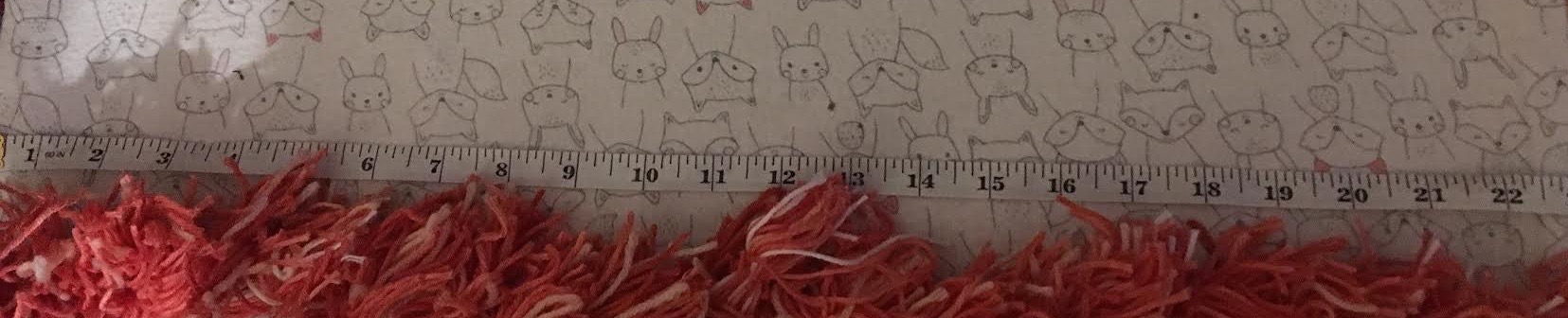
    I figured out how many tassels I would need by lining up tassels on one side and using measuring tape to see how many more I would need on the other sides of the board. It ended up being pretty accurate.

    raerose.jpg

    unnamed-1.jpgMy dog was not a fan of this project and tried to distract me by rolling on the tassels.
    raerosedog

    I chose white and green (green and coral! love!) antique buttons to make some interesting tacks. I used a glue gun to glue the back of the button to the tack.

    IMG-9509

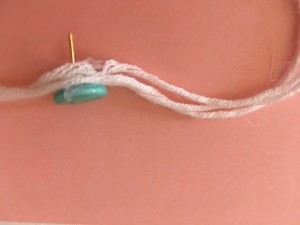
    For some of them I added white yarn by taking four strands, gluing it in the space where the button was attached to the tack, wrapping it and tying it once.

    IMG-9513

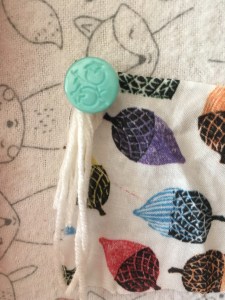
    You could use any color, you could braid the yarn — the possibilities are endless. I like the way this plain white yarn looks with this green button and fabric swatch.

    IMG-9515


    IMG-9523.JPG

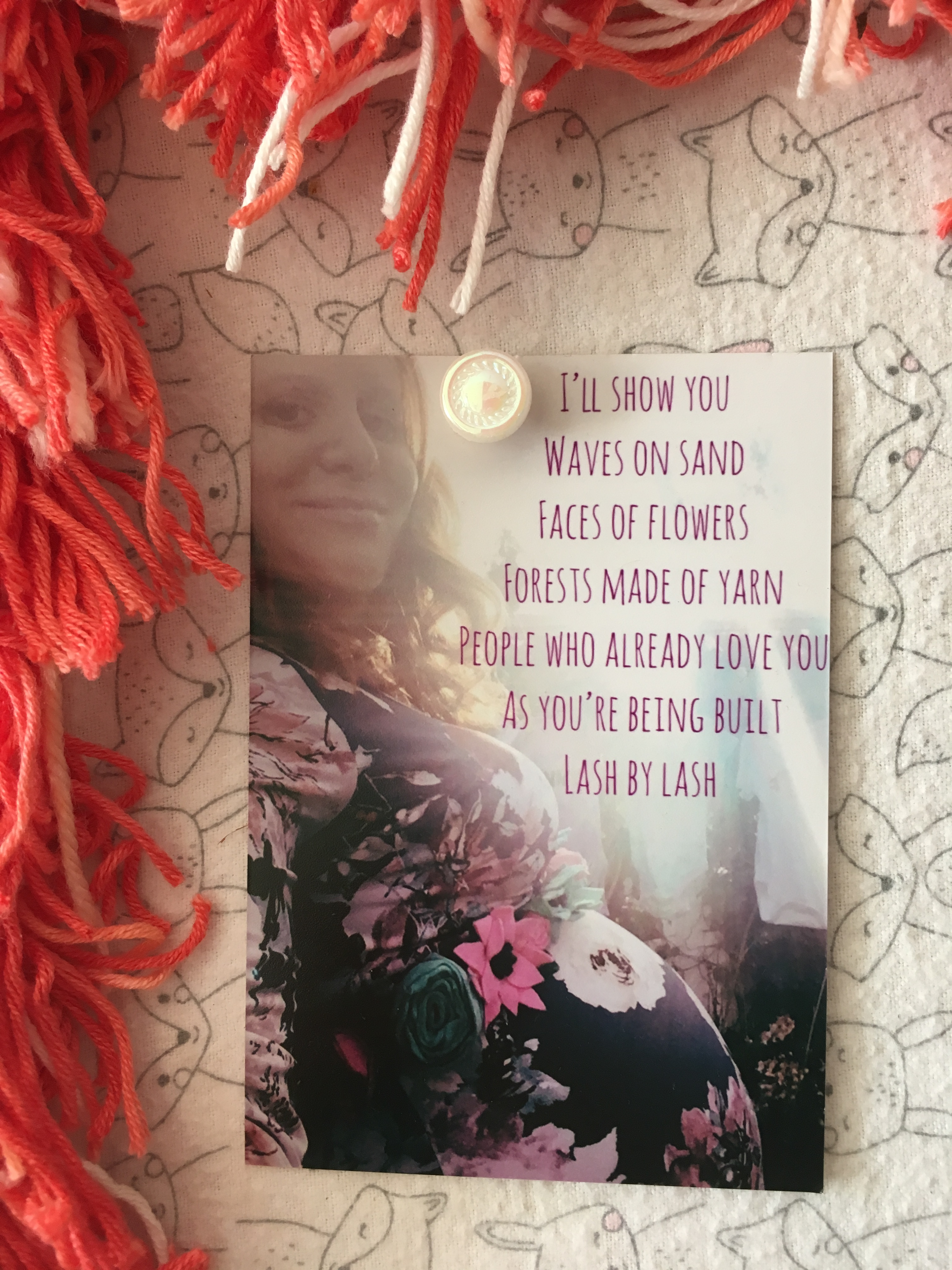
    I like a simple button for this picture. I sent it out with a little poem I wrote (using original A Beautiful Mess App) for my daughter. It reminds me to keep going and keep making things.

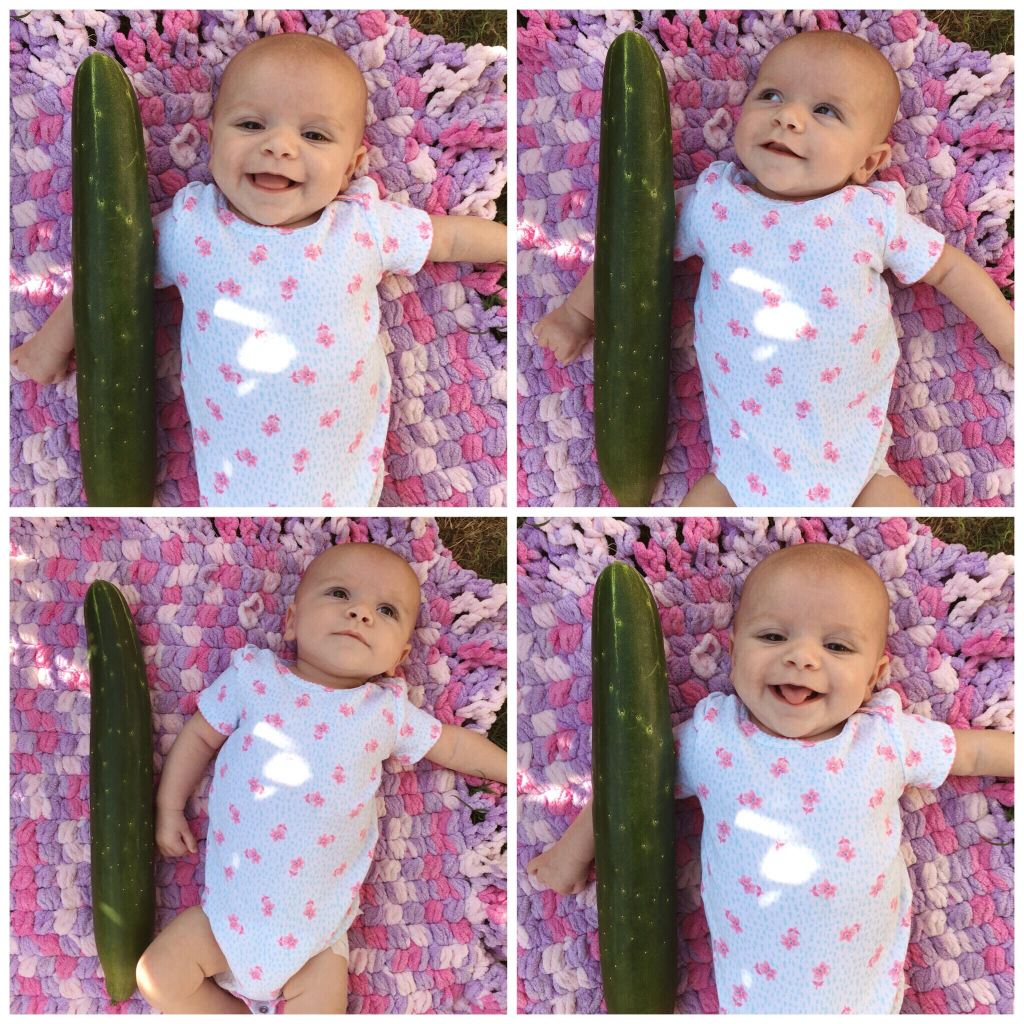
  • unnamed-7Recently Matthew came home from work in a bad mood — which immediately put me in a bad mood. It was hot, we were tired. He wanted me to take a picture of Elro next to a cucumber he had just picked. The first cucumber of the year.
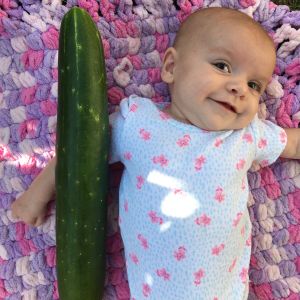
    We grumbled directions at each other, me handing him a blanket to take outside, him handing me the baby and the cucumber. I felt his bad mood as if it was a reflection of how he felt about me, which made me angry.

    While taking pictures of Elro and the cucumber,  I started thinking about how he created both of these beauties, and my bad mood turned into something like awe.

    He is not the first guy I dated. Some people were unable to accept my disabilities. Some refused to learn about them. I have a note for people in those relationships — it’s not just annoying, it’s dangerous.

    Matthew, however, is a great researcher and a great thinker. When I had my painful pregnancy he did everything he could to figure out how to treat my pain and get me through those long months. He was my biggest advocate, and if any psychological issue arises, he’ll be here for me, too.

    My point is, sometimes forget about why you’re in a bad mood long enough to marvel at what love can create.

    unnamed-9

  • ::This is an excerpt, chapter 32 to be exact, of Blueprint for Daylight by Christine Kalafus. She calls it a mother’s love letter to her twins.::

    Spencer and Parker are at my feet, cuddled in pale blue fleece blankets and asleep in their car seats. I address my babies in a running, silent, monologue in the hour after Greg leaves for work but before my mother arrives.

                I tell them I’m not having chemotherapy. That it will make me sick and can’t everyone see that I’m cured? The doctor took the tumor out for fuck’s sake. I have to get on with the business of mothering.

                Even without the trial of chemotherapy, I can’t hold Spencer and Parker enough, the way I want to, because to do so, means I need more arms. Or an extra pair of legs, or something else. I don’t know what. Maybe what I need is still sitting on the shelf at Babies R Us, forgotten on the gift registry, ignored by the guests at the baby shower.

                I apologize for the kind of mother they seem to have lost in the lottery. I apologize for crying when they cry, but the pain has to go somewhere and why not into the air that can hold it? I apologize for the night I was exhausted and walking downstairs with one of them in my arms, the other in Greg’s arms and as he passed me on the stairs said, “I already fed him.” I’m sorry for not knowing which one of you had already eaten and for referring, just now, to you as “one,” and “the other.” I’m sorry for not knowing which of you I held, I say.

                I ask forgiveness for when we first came home from the hospital and they cried and wouldn’t eat. How their extended crying lead me to call the pediatrician’s office at nine o’clock at night and the doctor on call prescribed chamomile tea. Which lead Greg to run out to the store, no shave, in pajama pants and his leather coat. How I had the kettle boiling when he returned, went to pour the tea and realized I never asked if the tea was for me or for the babies.

                I touch their toes, all twenty of them. Magic in two pair of baby socks. Their toenails are white and pink like translucent paper. There’s a part, a very small part, at the edge of a toenail, a fingernail, where it meets the skin. Where nothing touches the roundness but air. I kiss it. I tell them that a baby’s heel is the beginning of adulthood, a sign of strength to come, an example of something not yet needed but required to support their journey.

                I love them telepathically, by holding their skin to my skin, my hand cupping their spongy heads, all the knowledge they will ever need already inside. It is up to me to protect them. Wash them, cover their heads with hats and cradle their bodies in the crook of my arm while the fingers of my other hand play with their toes. The best I can do is have them both, side by side, on my lap. Four wrinkly legs, four flailing arms, two tongues jutting out and in while my eyes move back and forth between their faces. I memorize the differences, subtle as they are. I place my face between theirs and whisper in their ears, I will always know you. And I apologize for saying “fuck.”


    unnamed-1

    Christine Kalafus is an award-winning writer of non-fiction and poetry. Blueprint for Daylight, her funny and heartbreaking memoir of infidelity, cancer, colicky twins, and the flood in her basement, won the 2017 Sara Patton Stipend Award and was recently excerpted in Connecticut’s Emerging Writers, an Anthology.  “Horses,” her experimental poem of loss, won the 2017 Knightville Poetry Contest. National Book Award winner Mark Doty was the contest judge. The poem will be featured in the 2018 issue of the New Guard. Her essays have appeared in several literary magazines including Woven Tale Press’ Selected Works for, “Confessions of a Make Up Addict,” which received a mention inPublisher’s Weekly.

    Christine is an instructor at Westport Writers’ Workshop. She lives in the wilds of northeast Connecticut in an old, demanding farmhouse that needs her.

    www.christinekalafus.com